


Why Are There Still So Many Wasps in Autumn?
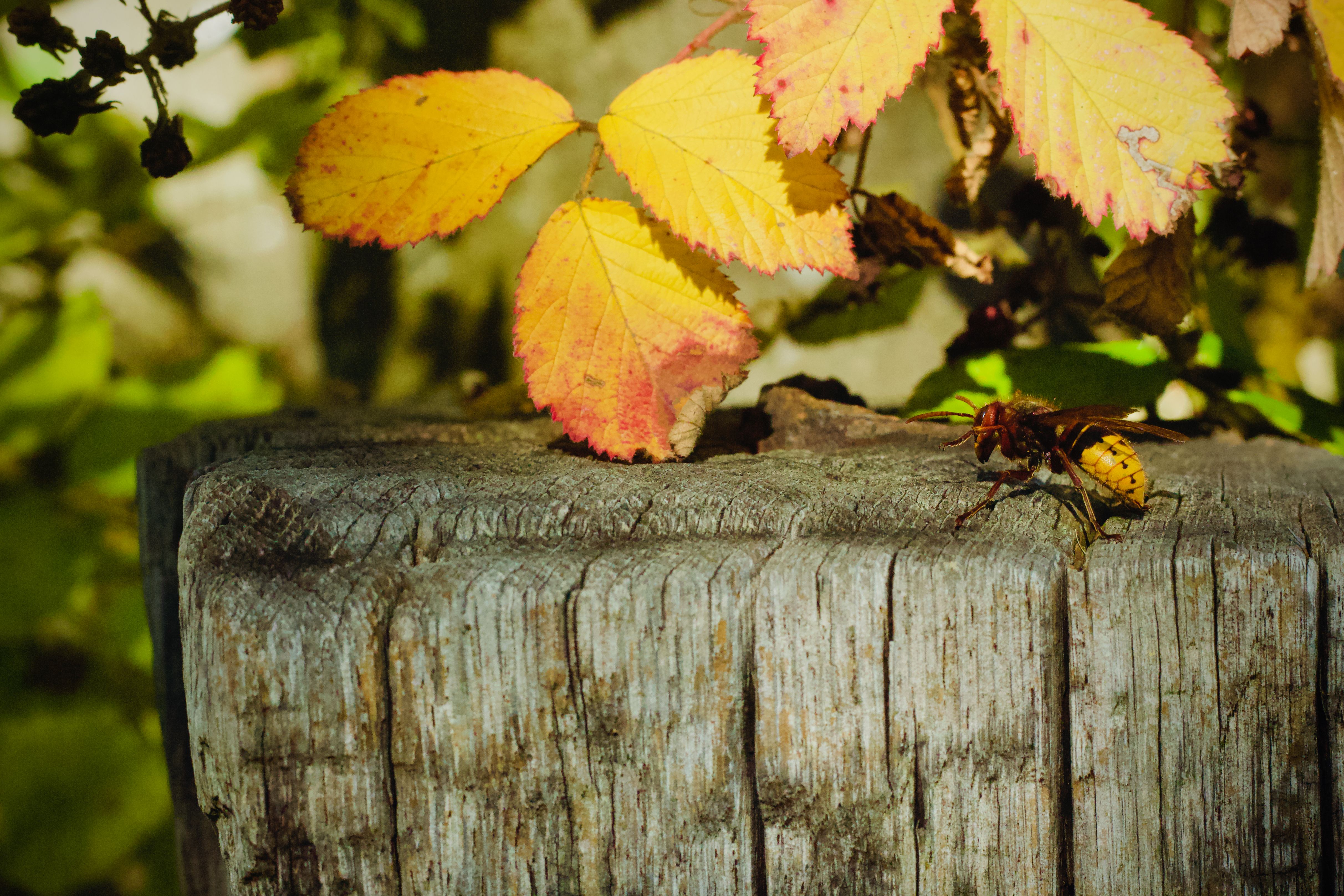
Summer may be over, but that doesn't necessarily mean the wasps have disappeared.
In fact, during September and October you may notice wasps becoming more noticeable around your home and garden, particularly around bins, fallen fruit, outdoor food and sugary drinks.
This can seem surprising as the weather gets cooler, but it's a normal part of the wasp lifecycle. Established nests can remain active well into autumn, while changes inside the colony cause worker wasps to spend more time searching for sugary food.
Here's what's happening and when you can expect wasp activity to finally come to an end.
When Does Wasp Season End in the UK?
There isn't a specific date when wasp season ends.
In the UK, wasp activity usually begins declining during the autumn as temperatures fall. However, the timing can vary considerably depending on the weather.
During a mild September or October, established colonies may continue to be active. Warm, sunny days can also bring wasps out even after several cooler days have made it seem as though they've disappeared.
Eventually, sustained colder weather brings the colony's annual lifecycle to an end.
The important thing to remember is that October doesn't automatically mean a wasp nest is inactive.
If you can still see wasps regularly entering and leaving a particular hole, roofline, air brick or other opening, there may still be an active nest behind it.
Why Are Wasps More Noticeable in Autumn?
For much of the summer, worker wasps have a job to do.
They collect insects and other protein-rich food to feed the developing larvae inside the nest. In return, the larvae produce a sugary secretion that provides the adult workers with an important source of energy.
As the season progresses, the colony begins to change.
Fewer larvae need feeding and the workers have less work to do. Their readily available source of sugar inside the nest also starts disappearing.
The workers therefore begin looking elsewhere for sugary food.
That's one reason you suddenly find wasps particularly interested in:
-
Fizzy drinks and fruit juice
-
Cakes, sweets and other sugary foods
-
Ripe and fallen fruit
-
Food waste
-
Recycling containers
-
Outdoor bins
There may actually be fewer wasps than there were at the height of summer, but you're more likely to encounter them because they're spending more time around the same food and drink as you.
Are Wasps More Aggressive in Autumn?
Wasps can certainly appear more persistent during late summer and autumn.
At this stage of the season, worker wasps are no longer as occupied with maintaining the colony and are actively searching for food, particularly sugar.
A wasp repeatedly returning to a drink, piece of fruit or bin can therefore seem much more troublesome than the wasps you noticed earlier in the year.
However, the biggest risk still comes from disturbing an active nest.
Wasps defend their colony and can sting repeatedly. If you're seeing a steady stream of wasps entering and leaving one particular location, avoid disturbing it even if it's late in the year.
Can a Wasp Nest Still Be Active in October?
Yes.
An established nest can remain active during October, particularly during mild autumn weather.
Typical signs of an active nest include:
-
Regular wasp traffic through the same opening
-
Wasps repeatedly entering a roofline or soffit
-
Activity around a wall cavity or air brick
-
Wasps entering or leaving a shed or outbuilding
-
Wasps regularly appearing inside the house
The amount of activity may be lower than it was during July or August, but that doesn't necessarily mean the colony has died.
If you're unsure whether a nest is still active, observe the suspected entrance from a safe distance. Regular movement in and out is a strong indication that wasps are still using it.
What Happens to a Wasp Nest in Autumn?
A UK wasp colony normally lasts for just one season.
During spring, a queen establishes a new nest and begins producing workers. The colony then expands rapidly throughout the summer.
Towards the end of summer and beginning of autumn, the colony starts producing new queens and males.
After mating, the newly fertilised queens leave the nest and search for protected places where they can spend the winter.
The original queen, worker wasps and males eventually die as temperatures fall and food becomes harder to find.
The nest is then abandoned.
Unlike a beehive, the old wasp nest isn't maintained through the winter by a surviving colony.
Do Wasps Hibernate?
Most wasps don't.
The worker wasps you see throughout summer and autumn normally die before winter.
It's the newly fertilised queens that survive.
They find protected locations where they can remain dormant through the colder months. Possible overwintering places include sheds, garages, roof spaces, cracks and crevices, beneath loose bark and other sheltered locations.
When temperatures rise again in spring, surviving queens emerge and begin searching for somewhere suitable to establish completely new colonies.
This is why occasionally finding a large wasp indoors during winter doesn't necessarily mean there's an active nest somewhere in the property. It may be an overwintering queen that has become active.
Do Wasps Reuse Their Old Nests?
No. A wasp colony does not normally move back into the previous year's nest.
Once the colony has died and the nest has been abandoned, it won't be restarted the following spring.
However, there's an important distinction between reusing the old nest and reusing the location.
A loft, shed or roof space that provided ideal conditions for one colony may provide equally good conditions for another queen the following year.
So although a new queen won't take over the old nest, she could potentially build a completely new one nearby.
Should You Treat a Wasp Nest in Autumn?
That depends on whether the nest is still active and whether it's causing a problem.
If wasps are still regularly entering and leaving the nest and it's close to a doorway, window, path, children's play area or another frequently used part of the property, treatment may still be appropriate.
The same applies if wasps are finding their way into the house.
On the other hand, if the colony has completely died and there's no longer any activity, treating the old nest serves little purpose.
An abandoned nest can often simply be left where it is, particularly if it's hidden inside a wall or inaccessible roof space.
Should You Block the Entrance to an Active Nest?
No.
If wasps are still using an entrance, don't seal it simply because the weather is getting colder.
If the nest remains active, blocking the normal entrance can cause wasps to search for another route.
Where the nest is inside a wall cavity, loft or roof structure, that alternative route could potentially lead into the property.
Wait until you're certain the colony is no longer active before considering whether any gaps or entry points should be repaired.
Why Am I Finding Wasps Inside My House in Autumn?
There are several possible reasons.
If there's an active nest somewhere within the structure of the property, wasps may occasionally find their way indoors rather than following their normal route outside.
Later in autumn, you may also encounter new queens searching for sheltered places to spend winter.
Warm indoor temperatures can sometimes cause an overwintering queen to become active, which is one reason an isolated wasp may occasionally appear indoors outside the normal wasp season.
One occasional wasp doesn't necessarily indicate a nest.
Repeated wasp activity, particularly from the same area of the property, is more significant and worth investigating.
How Can You Reduce Wasps Around Your Home in Autumn?
If the wasps aren't coming from a nest on your property, they're often visiting because they've found an easy food source.
Simple measures can help make the area less attractive.
Keep outdoor bins properly closed, clean up food and drink after eating outside and remove fallen fruit from beneath fruit trees.
Rinse sugary drink containers before putting them into recycling and avoid leaving open drinks outside where a wasp can crawl inside unnoticed.
These measures won't eliminate wasps from the area, but they can reduce the reasons for them to repeatedly visit your garden or patio.
When Will the Wasps Finally Disappear?
There isn't an exact date because the weather plays such an important role.
As autumn progresses and temperatures remain consistently low, worker activity reduces and the colony eventually collapses.
By winter, the old colony is normally gone and the nest is abandoned.
Only the new fertilised queens survive to begin the process again the following spring.
So if you're still seeing wasps during a mild October, it isn't necessarily unusual.
What's more important is where they're going.
Occasional wasps feeding in the garden are very different from a steady stream disappearing into the same hole in your roof.
If you can identify a consistent flight path to one particular location, there may still be an active nest that needs investigating.
Frequently Asked Questions
Why are there still wasps around in October?
Wasp colonies can remain active into October when autumn weather is mild. Worker wasps also spend more time searching for sugary food towards the end of the season, which can make them particularly noticeable around homes, gardens, bins and outdoor food.
When do wasps die off in the UK?
Most worker wasps die as temperatures fall during autumn and the colony eventually collapses. There isn't a fixed date because weather conditions vary from year to year. Newly fertilised queens survive by finding sheltered places to spend the winter.
Can a wasp nest still be active in October?
Yes. During mild weather, a nest can remain active in October. Regular wasps entering and leaving the same opening is a good indication that the colony is still active.
Should I remove a wasp nest in autumn?
If the nest is still active and causing a problem, treatment may still be appropriate. Once the colony has died and the nest is completely inactive, removal is often unnecessary unless the old nest is accessible and you have another reason for removing it.
Do wasps survive the winter?
Worker wasps and the old queen normally die as the colony reaches the end of its annual lifecycle. Newly fertilised queens survive by overwintering in sheltered locations before emerging in spring to establish new colonies.
 Free advice