


Peak wasp season: what to do if you discover a nest in summer
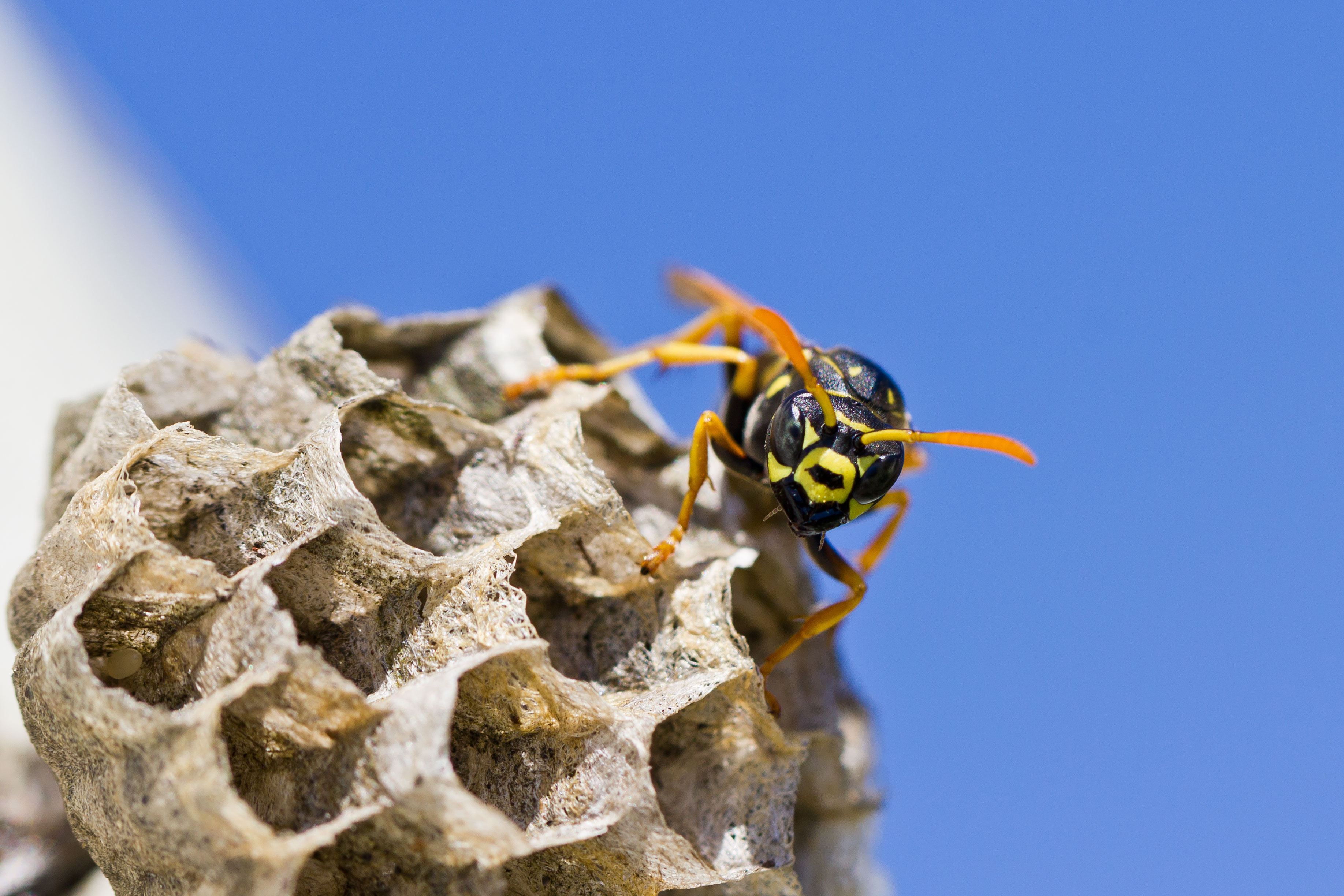
Finding a wasp nest in summer can feel very different from spotting early activity in spring. By this stage, nests are larger, wasps are more active, and their behaviour is more defensive. Situations that might have been manageable earlier in the year can quickly become disruptive or risky during peak season.
This guide explains what’s happening during peak wasp season, what to do if you discover a nest, and how to handle the situation safely.
What is peak wasp season?
In the UK, peak wasp season typically falls between July and August.
At this point:
- Nests have reached their largest size
- Colonies can contain hundreds or thousands of wasps
- Activity is at its highest around the home and garden
This is also when most people first become aware of a problem, as wasps are far more noticeable.
Why wasps are more aggressive in summer
During peak season, several factors increase the likelihood of aggressive behaviour:
- Nest protection – With a large colony to defend, wasps react more quickly to disturbance
- Increased numbers – More wasps means a higher chance of contact with people
- Food changes – Wasps shift from feeding on insects to seeking sugary foods and drinks
This combination means that even small disturbances near a nest can trigger a stronger response than earlier in the year.
Common signs of a nest in summer
By the time a nest is discovered in summer, the signs are usually more obvious:
- Constant wasp movement to and from a specific point
- Wasps gathering near doors, windows, or outdoor seating areas
- Increased activity around bins, food, or drinks
- Wasps appearing inside the home, especially upstairs
If you notice steady traffic to a single gap or location, it’s likely that a nest is nearby.
What to do immediately
If you discover a nest or suspect one is close by, the first step is to reduce risk.
Keep your distance
Avoid approaching the nest or entry point. Wasps are more likely to react defensively at close range.
Keep people and pets away
Make sure children and pets do not play or move through the affected area.
Close nearby windows and doors
This helps prevent wasps from entering the home, especially if the nest is near the roofline or wall cavities.
Stay calm around wasps
If a wasp comes near you, avoid swatting or sudden movements. Move away slowly and calmly.
What not to do
Certain actions can make the situation worse:
Don’t attempt to knock down the nest
This is one of the most dangerous actions and can trigger an immediate defensive response.
Don’t block the entry point
Sealing the hole where wasps are entering can force them to find another way out, which may be inside your home.
Don’t spray from a distance without knowing the nest location
This often agitates the wasps without reaching the nest itself.
Don’t investigate enclosed spaces
Avoid looking into lofts, wall cavities, or roof spaces where activity is present, as this can disturb the colony.
How summer nests differ from spring nests
Summer nests are very different from early-season nests:
- Size – Much larger and more established
- Activity – Constant movement in and out
- Behaviour – More defensive and reactive
- Risk level – Higher, especially near busy areas
This is why situations discovered in summer are more likely to require careful handling.
When to act
It’s important to take action if:
- The nest is close to a doorway, path, or seating area
- Wasps are entering the home regularly
- Activity is interfering with normal use of the property
- There is a risk to children, pets, or visitors
Ignoring a summer nest usually leads to increased activity rather than the problem resolving itself.
What to expect after treatment
Once a nest is treated:
- Activity may continue for a short period
- Wasps returning to the nest will come into contact with the treatment
- Numbers will gradually reduce
In most cases:
- Activity drops significantly within a few hours
- The nest becomes inactive within 24 to 48 hours
It’s important to follow any advice given about keeping distance from the area during this time.
Managing wasps around your home during peak season
Even if a nest isn’t directly on your property, you can reduce wasp activity:
- Keep bins closed and clean
- Avoid leaving food or drink uncovered outdoors
- Clear fallen fruit from gardens
- Keep doors and windows closed when possible
These steps won’t remove a nest, but they can reduce the number of wasps around your home.
Key takeaway
A wasp nest discovered in summer is usually at its most active stage. The priority is to:
- Avoid disturbing the nest
- Keep people and pets safe
- Manage the area carefully until the situation is resolved
Understanding how wasps behave during peak season helps you respond calmly and reduce risk.
 Free advice