


Do wasps reuse old nests? (and should you remove them?)
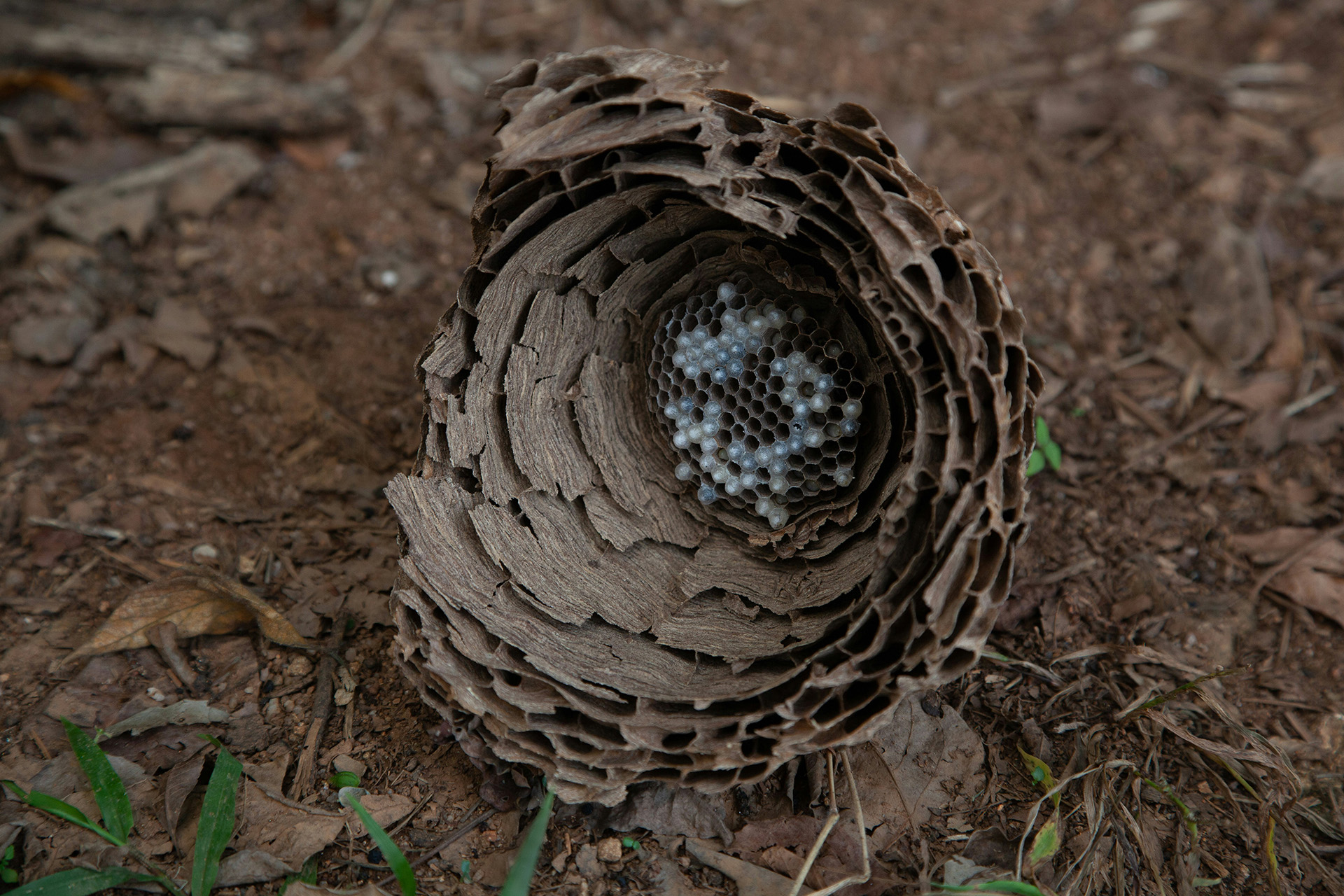
It’s a question many homeowners ask when they discover a papery structure in a loft, shed, or roofline: will wasps come back and use the same nest again? The short answer is no - wasps do not reuse old nests. However, that doesn’t mean old nests should always be ignored.
This guide explains what happens to a wasp nest after the season ends, whether it poses any risk, and when it’s worth removing it.
Do wasps reuse old nests?
Wasps do not return to old nests.
Each year, a wasp colony follows a single lifecycle:
- A queen starts a new nest in spring
- The colony grows through summer
- The nest reaches full size
- The colony dies off in autumn
By winter, the nest is completely abandoned.
The following year, new queens will build entirely new nests, even if they are in the same area.
Why don’t wasps reuse nests?
There are a few reasons for this:
1) The nest is only designed for one season
Wasp nests are made from a paper-like material created from chewed wood and saliva. They are not built to last long-term and naturally weaken over time.
2) The colony structure resets each year
Only fertilised queen wasps survive winter. Worker wasps and the rest of the colony die off, so there’s no workforce to return and reuse the old structure.
3) New queens look for fresh nesting spots
Queens will often choose new locations that meet the right conditions, rather than returning to an old nest.
Can wasps build near an old nest?
Yes, and this is where confusion often comes in.
While wasps don’t reuse old nests, they may:
- Build a new nest in the same area
- Nest close to a previous site
- Use the same access points (gaps, vents, roof edges)
This happens because the location has already proven to be suitable:
- Sheltered
- Dry
- Undisturbed
So if you’ve had a nest before, there’s a higher chance you may get another one nearby in future.
Is an old wasp nest dangerous?
In most cases, an old nest is not dangerous.
Once abandoned:
- There are no live wasps inside
- The structure is inactive
- It will not suddenly become active again
However, there are a few things to consider.
Potential issues with leaving an old nest in place
1) It can attract other pests
Old nests can sometimes attract insects such as moths or other small pests that feed on the material.
2) It may block airflow or vents
If a nest is located in a loft, air brick, or vent, it can restrict airflow and ventilation.
3) It can cause confusion in future
If you see wasps near an old nest, it can be difficult to tell whether:
- The old nest is still active (it isn’t)
- Or a new nest has been built nearby
4) It may deteriorate and create mess
Over time, the papery material can break down and fall apart, especially in exposed areas.
Should you remove an old wasp nest?
In many cases, removing an old nest is optional.
You may leave it in place if:
- It is in a loft or hidden area
- It is not causing any obstruction
- It is intact and undisturbed
- There are no signs of new activity
You may choose to remove it if:
- It is blocking a vent or airflow
- It is in a visible or inconvenient location
- It is breaking apart or creating debris
- You want to reduce the chance of confusion next season
When is it safe to remove an old nest?
The safest time to remove a nest is:
- Late autumn or winter
- When you are certain there is no activity
Before removing it:
- Check for any wasp movement
- Make sure the nest is completely inactive
- Avoid disturbing it during warmer months when new nests may be nearby
If in doubt, it’s always safer to get advice before handling it.
What does an old wasp nest look like?
An old nest typically:
- Appears grey or brown and papery
- Feels dry and brittle
- Has no visible activity
- May have holes or signs of deterioration
They can range in size from small (golf ball) to very large (football or bigger), depending on how long the colony developed.
Key takeaway
Old wasp nests do not get reused, but they do indicate that your property offers good nesting conditions.
That means:
- The nest itself is not the problem
- The location is
Keeping an eye on previous nesting areas in early spring is one of the best ways to prevent future issues.
 Free advice