


Where do wasps commonly build nests around UK homes?
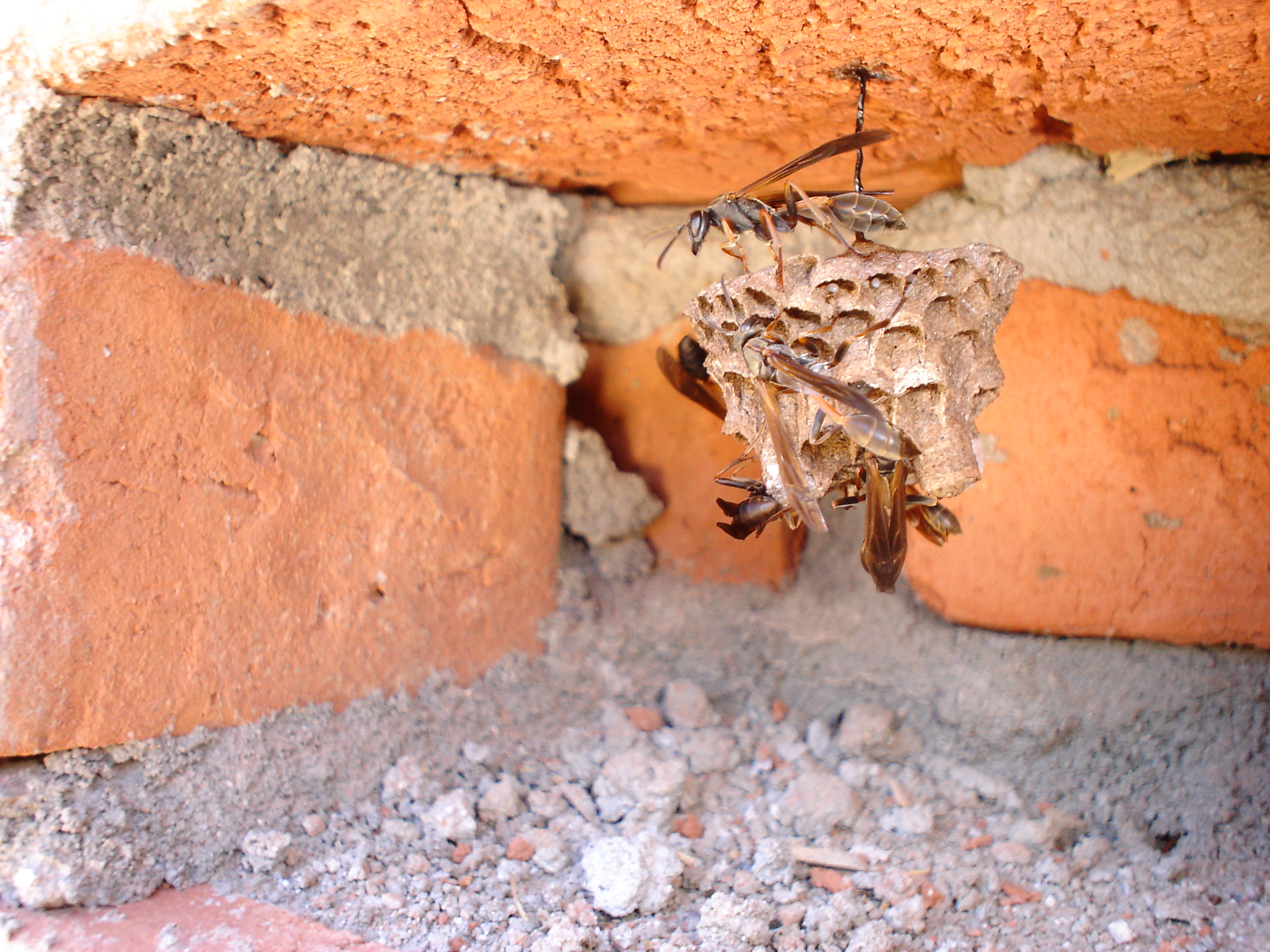
Wasps don’t build nests randomly. They look for sheltered, dry, and undisturbed spaces that are close to food sources and protected from the weather. UK homes provide plenty of ideal locations, which is why nests often appear in the same types of places year after year.
Understanding where wasps prefer to nest makes it much easier to spot early signs, avoid accidental disturbance, and deal with problems before they escalate.
Why wasps choose certain locations
Before looking at specific areas, it helps to understand what wasps are actually looking for.
A suitable nesting spot usually offers:
- Protection from wind and rain
- Warmth (especially in spring)
- Limited disturbance from people or pets
- A small entry point that leads to a larger hidden space
- Easy access to food sources nearby
That’s why many nests are hidden out of sight, often inside structures rather than out in the open.
The most common places wasps build nests
Loft spaces and roof voids
Lofts are one of the most common nesting locations in UK homes.
Why lofts are ideal:
- Warm and dry
- Dark and rarely disturbed
- Plenty of space for a nest to grow
- Easy access through gaps in tiles, soffits, or vents
You may not see the nest itself, but you might notice wasps entering near the roofline or appearing upstairs inside the house.
Wall cavities
Wall cavities are another very common nesting site, especially in properties with small gaps or vents.
How wasps get in:
- Air bricks
- Gaps around pipes or cables
- Cracks in mortar or brickwork
Because the nest is hidden inside the wall, the first sign is usually external activity rather than the nest itself. You might see wasps repeatedly entering the same point on the wall.
Under eaves, soffits, and fascia boards
The edges of the roof are prime nesting territory.
Common entry points include:
- Small gaps between fascia boards
- Openings in soffits
- Spaces behind guttering
These areas provide shelter and easy access into roof voids or cavities. Nests here are often hidden just behind the visible structure.
Sheds, garages, and outbuildings
Garden buildings are very attractive to wasps, especially in spring when they are quiet and undisturbed.
Typical nesting spots:
- Shed roofs and rafters
- Corners of garages
- Inside timber cladding or wall panels
- Behind stored items or shelving
Because these spaces are used less frequently, a nest can grow unnoticed for weeks.
Bushes, hedges, and garden areas
Not all nests are inside buildings. Wasps will also nest outdoors if the location offers enough cover.
You might find nests:
- Inside dense hedges
- Under shrubs or bushes
- In compost heaps
- In holes in the ground
These nests are easier to disturb accidentally, especially during gardening or lawn work.
Air bricks, vents, and small exterior openings
Even very small gaps can be enough for wasps to gain access.
Common problem areas:
- Air bricks
- Bathroom or kitchen vents
- Gaps around external pipework
- Cable entry points
These openings often lead into larger hidden spaces where the nest develops out of sight.
Hidden nests vs visible nests
Hidden nests
Most wasp nests in homes are hidden:
- Inside walls
- In lofts
- Behind fascia boards
In these cases, you won’t see the nest itself. Instead, you’ll notice:
- Repeated wasp movement
- A clear entry and exit point
- Activity increasing over time
Visible nests
Some nests are visible, especially in:
- Sheds
- Garages
- Bushes or hedges
These may appear as a grey, papery structure, sometimes starting small and growing rapidly over a few weeks.
Why location matters
Where a nest is located affects:
- How quickly it grows
- How noticeable it is
- The level of risk to people and pets
- How easy it is to deal with
For example:
- A nest high in a roof void may go unnoticed longer
- A nest near a doorway or garden seating area becomes a problem much sooner
- A hidden nest can lead to wasps appearing inside the home
What to do if you spot a likely nesting location
If you notice wasps using a specific entry point:
- Keep a safe distance and avoid blocking the hole
- Watch the pattern of movement rather than getting close
- Keep children and pets away from the area
- Avoid spraying or disturbing the location
Trying to block an entry point can force wasps into other parts of the property, including indoors.
Red flags that need quick attention
It’s worth taking action sooner rather than later if:
- The nest is close to a front door, path, or seating area
- Wasps are entering near bedrooms or loft spaces
- You’re seeing wasps inside the house regularly
- Activity is increasing quickly over a short period
Early awareness of location is one of the best ways to stay in control of the situation.
Frequently Asked Questions
Where are wasp nests most commonly found in UK homes?
Wasp nests are most commonly found in lofts, wall cavities, under eaves, and in sheds or garages. These areas provide shelter, warmth, and minimal disturbance.
Can wasps build nests inside walls?
Yes, wasps frequently build nests inside wall cavities. They usually enter through small gaps such as air bricks, vents, or cracks in brickwork.
How do I know where a wasp nest is if I can’t see it?
If you can’t see the nest, look for repeated wasp movement to and from a specific point. A consistent flight path is often the clearest sign of a hidden nest.
Are wasp nests more common in certain parts of the house?
Yes, roof spaces, lofts, and areas around the roofline are among the most common locations because they are warm, dry, and rarely disturbed.
 Free advice