


Early signs of a wasp nest (and why acting early saves money)
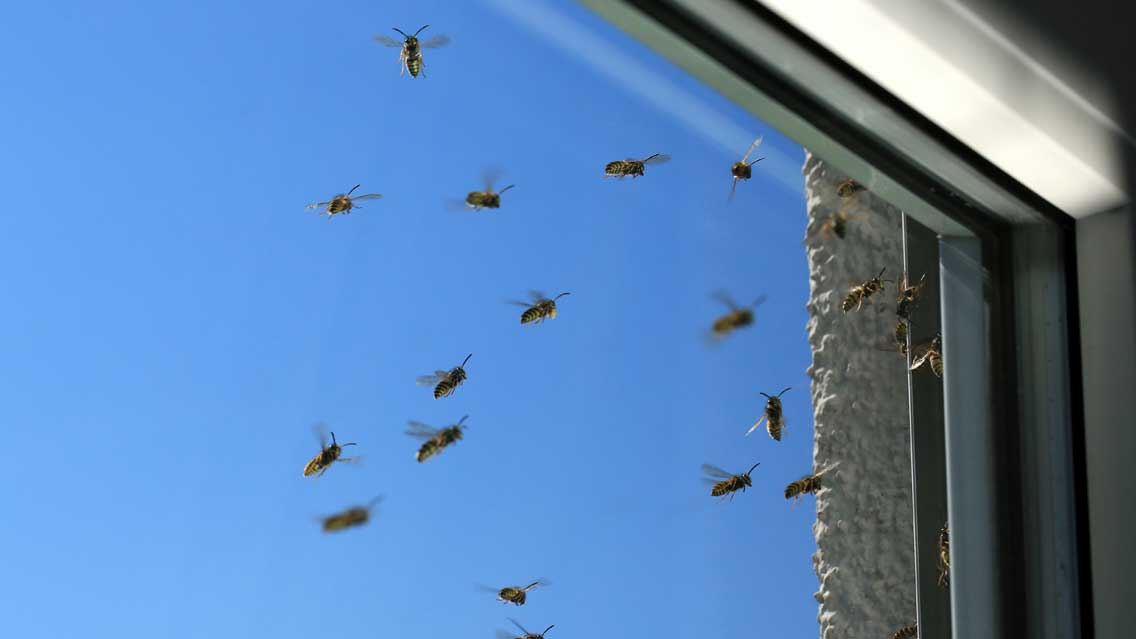
This guide explains the early warning signs of a wasp nest, where to look, what not to do, and why dealing with it early can save time, stress, and money.
What counts as an “early” wasp nest?
In the early part of the season, a nest is usually started by a single queen wasp. At this stage, the nest can be small and hidden, and activity may look like “just one wasp” coming and going. Once the first worker wasps hatch, nest growth speeds up quickly.
If you notice repeated wasp activity around the same area in spring, there’s a good chance a nest is forming nearby.
The most common early signs of a wasp nest
1) Repeated wasps entering the same gap
One of the clearest signs is a wasp consistently flying into a specific hole or gap, such as:
- Under eaves and fascia boards
- Around soffits and roofline joins
- Through air bricks or vents
- Into gaps around pipes, cables, or exterior light fittings
- Into shed roofs, cladding, or timber joints
If you stand back and watch for a minute, you may see a pattern: the same entry point used again and again.
2) A noticeable “flight path”
Wasps often travel in a straight line between the nest and food sources. Early on, that flight path might be occasional, but it becomes more obvious as numbers increase.
Look for:
- Wasps repeatedly flying to the same corner of a roofline
- Frequent movement along a fence line or hedge to a shed
- Wasps coming and going near the same upstairs window area
A steady flight line usually means the nest entrance is nearby, even if the nest itself is hidden.
3) Wasps appearing indoors, especially upstairs
Seeing a wasp indoors doesn’t always mean you have a nest, but it can be an early clue, particularly if you notice:
- Wasps upstairs or near loft hatches
- Multiple sightings over several days
- Wasps clustering near a single light fitting, window, or vent
This can happen when a nest is developing in a loft space, wall cavity, or roof void and a few wasps find their way inside.
4) Light scratching or rustling in the loft or wall voids
Some people hear faint sounds in quiet areas of the home, especially in lofts and behind plasterboard in wall cavities. It’s not always obvious, but if you hear occasional rustling and also notice wasp activity outside near the same area, it’s worth taking seriously.
5) Paper-like material or small comb structure
Early nests are made from a papery pulp. You might spot:
- Small grey-brown paper material under eaves
- A small, golf-ball-sized start of a nest in a shed or garage corner
Not all nests are visible early on, but when they are, they often look like a small paper dome or a small open comb.
6) Increased interest around sheds and rooflines on warm spring days
In early season, queens explore multiple possible nesting sites. You might notice a wasp hovering and inspecting:
- Shed rafters
- Loft vents
- Gaps under tiles
- Fascia joins
One exploratory visit isn’t usually a problem. Repeated interest in the same spot can be.
Where to check first
If you’re trying to work out whether a nest is forming, these are the most common places to check from a safe distance:
- Roof edges, under eaves, fascia and soffits
- Air bricks and vents (especially on sunny walls)
- Loft areas (only if safe and you’re not disturbing anything)
- Sheds, garages, summer houses, and timber outbuildings
- Wall cavities near pipework, extractor vents, and cable entry points
If the entry point is high, hidden, or near a walkway, avoid getting too close.
Why acting early can save money
Smaller nest, simpler treatment
Early nests have fewer wasps and are often easier to treat. In peak season, nests can be larger, more active, and more defensive, which can increase the complexity of the job.
Less urgency and fewer disruptions
Summer call-outs often happen when a nest starts interfering with daily life: children’s play areas, front doors, patios, or bedrooms. Early action reduces the chance you’ll need an urgent visit at a stressful time.
Lower risk of stings
A small developing nest is typically less defensive than a mature summer nest. As colonies grow, the response to disturbance becomes more aggressive.
Reduced chance of secondary problems
Large nests in roof spaces or wall cavities can create extra issues:
- Wasps finding their way indoors
- Ongoing activity around entrances and windows
- Higher risk in household areas where people can’t easily avoid the wasps
What not to do if you suspect an early nest
Even early nests can become risky if disturbed. Avoid:
- Blocking the entrance hole (it can drive wasps into the property)
- Spraying random insecticide from a distance (often ineffective and can provoke wasps)
- Knocking down a visible nest (high sting risk and rarely solves hidden nest problems)
- Poking around in loft insulation or wall voids where activity is suspected
If you’re not sure, the safest approach is to observe from a distance and get advice before the nest grows.
When to get help
It’s worth getting advice if:
- You see repeated entry/exit at the same gap
- The nest appears to be in a loft, wall cavity, or roofline
- Wasps are appearing indoors repeatedly
- The suspected location is near children, pets, doors, paths, or seating areas
Early-season nests are often the easiest to deal with, and it can prevent a much bigger issue later.
Frequently Asked Questions
How can I tell if I have a wasp nest or just a few wasps?
If you see wasps repeatedly entering and leaving the same gap, or you notice a consistent flight path to one location, it’s likely a nest is forming nearby. Occasional single sightings, especially around flowers, do not always indicate a nest.
What month do wasps start building nests in the UK?
In most parts of the UK, nests usually start forming from March into April when queen wasps emerge from hibernation. Timing can shift depending on local weather and temperature.
Is it cheaper to deal with a wasp nest early?
Early nests are smaller and typically involve fewer wasps, which often makes treatment simpler than peak-season nests. Dealing with it early can also reduce the chance of needing an urgent summer call-out.
Should I spray an early wasp nest myself?
DIY spraying is often ineffective if the nest is hidden in a loft, wall cavity, or roofline, and it can make wasps more defensive. It’s safer to avoid disturbing the area and get advice if activity is increasing.
 Free advice