


When is wasp season in the UK? A month-by-month guide
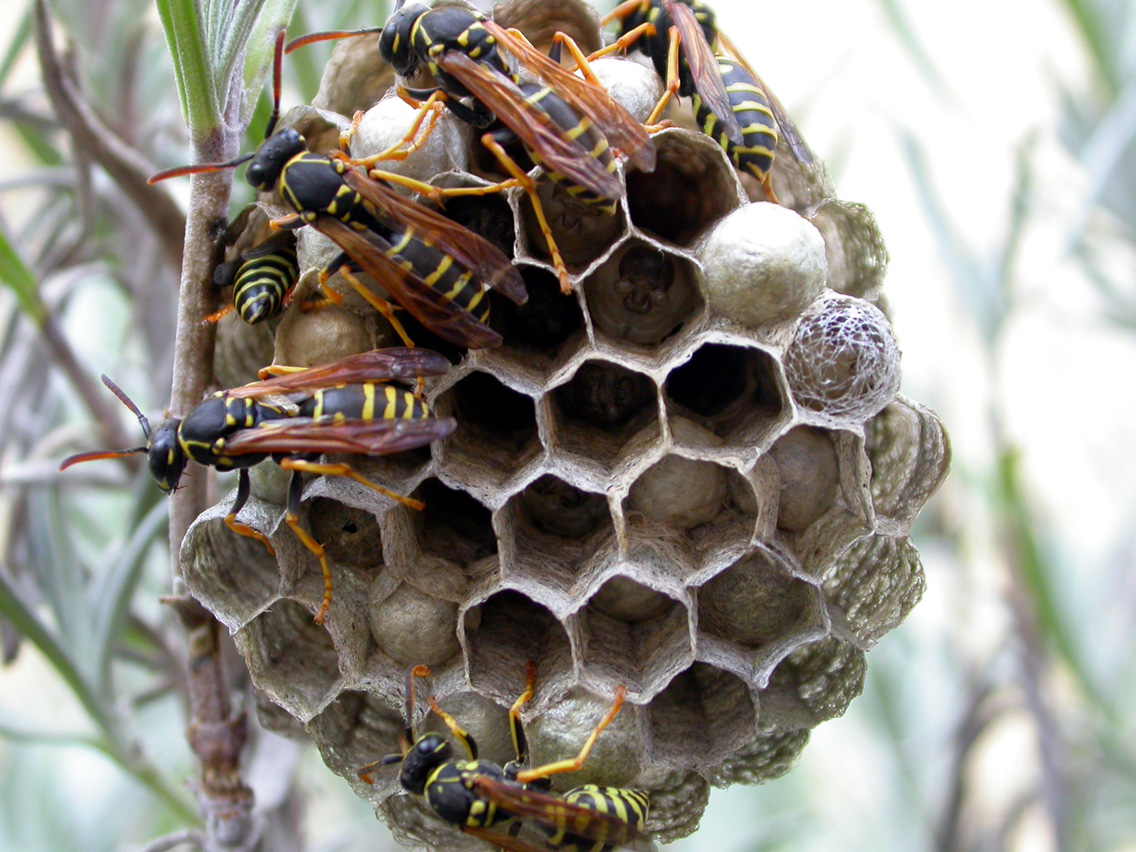
Wasp season in the UK doesn’t begin with a sudden swarm in summer. It builds quietly through spring, peaks in mid-summer, and tails off into autumn. If you know what’s happening month by month, you can spot problems early and deal with them safely before a nest becomes large and aggressive.
This guide explains when wasps become active, when nests start, what to watch for as the season progresses, and when it’s usually easiest to deal with a wasp nest.
When does wasp season start in the UK?
In most parts of the UK, wasp activity starts to increase in spring, typically from March into April, depending on the weather. A mild winter can bring earlier activity, while a colder spring can delay it.
The important point is that the beginning of wasp season isn’t when you see lots of wasps. The season really starts when queen wasps wake up and begin creating new nests.
UK wasp season timeline
January – February: quiet months and hibernating queens
In winter, the large colonies you notice in summer do not survive. Worker wasps die off, and old nests are abandoned. The only wasps that typically survive are fertilised queen wasps, which hibernate in sheltered areas.
Common places queens may overwinter include:
- Loft spaces and insulation
- Wall cavities
- Gaps around roof timbers
- Sheds, garages, and outbuildings
- Tree bark and log piles
You may occasionally see a single wasp indoors on a warm winter day, but it’s not common. Most homes will see very little activity at this time.
March – April: queen emergence and starter nests
As temperatures rise, queen wasps emerge from hibernation. This is when new nests begin. In the earliest stage, a queen is on her own. She looks for a quiet, protected location and starts building a small “starter nest”.
During this stage:
- Nests are usually small and hidden
- Activity may be limited to one or two wasps coming and going
- The queen begins laying eggs which become the first workers
This is often the easiest time to deal with a developing nest because numbers are low and the nest is small. If you notice repeated wasp activity going into a loft, under eaves, or into a small gap, it can be a sign that a nest is starting.
May – June: rapid growth and obvious flight paths
By late spring and early summer, the first worker wasps hatch. From this point the nest can grow quickly.
What changes during May and June:
- The queen stays inside the nest laying eggs
- Worker wasps expand the nest and forage for food
- You may notice steady movement in and out of a single entry point
This is when homeowners often start to notice a problem. A typical sign is a consistent flight path: wasps travelling in a straight line to a specific gap in the roofline, fascia, air brick, or shed.
Nests are commonly found:
- In lofts and roof voids
- Under eaves or behind fascia boards
- In wall cavities accessed via cracks or vents
- In sheds, garages, and garden structures
July – August: peak wasp season and highest risk
July and August are commonly the busiest months for wasp nest issues in the UK. By now, nests can be large and colonies can contain thousands of wasps.
During peak season:
- Wasps are more defensive around the nest
- You are more likely to see wasps around food and drink outdoors
- Nests are at their largest and most active
This is also when DIY removal attempts tend to go wrong. Disturbing a large, active nest can trigger aggressive defensive behaviour and increases the chance of multiple stings.
If a nest is in a loft, wall cavity, roofline, or anywhere close to entrances, paths, or seating areas, it’s best to treat it carefully and avoid interfering with it.
September – October: decline, sugar-seeking behaviour, and “grumpy” wasps
As the season shifts into autumn, colony behaviour changes again. The nest is no longer focused on growth, and the colony begins to break down.
This is why you often see wasps:
- Around bins and recycling
- On fallen fruit or fruit trees
- Near outdoor dining areas
- Around sweet drinks and food
Wasps can seem more irritable in early autumn because the colony is declining and food sources change. You might see fewer wasps around the nest itself, but the wasps you do see can behave more unpredictably.
November – December: end of the colony and abandoned nests
By late autumn and winter:
- The colony collapses and dies off
- New queens leave to hibernate
- Old nests are abandoned and are not reused
Old wasp nests can remain in place for months or years. They do not become “active again” on their own, but they can indicate that your property offers good nesting conditions, which may increase the chance of new nests being built nearby the following spring.
What is the best time to deal with a wasp nest?
In general, the best time to address a wasp nest is early in the season, typically from March to early May. At that time:
- Nests are smaller
- There are fewer wasps
- Behaviour is usually less defensive
- Treatment is often quicker and simpler
As the season progresses, nests become larger and more active, and the risks increase, especially in peak summer months.
What to do if you think you have a wasp nest
If you suspect a nest, the safest approach is to:
- Keep people and pets away from the suspected entry point
- Avoid blocking holes or spraying from a distance
- Don’t knock down visible nests
- Get advice early if activity is increasing
Even if you aren’t sure where the nest is, a consistent flight path is often the biggest clue.
Frequently Asked Questions
When does wasp season start in the UK?
Wasp season in the UK usually starts between March and April when queen wasps emerge from hibernation and begin building new nests.
What is peak wasp season in the UK?
Peak wasp season is typically July and August, when nests are at full size and wasps become more defensive and aggressive.
Do wasps die in winter?
Yes. Worker wasps die off in winter, leaving only fertilised queens to survive and hibernate until spring.
What is the best time to remove a wasp nest?
Early spring, between March and May, is the safest and most effective time to remove a wasp nest while it is still small.
 Free advice